Showing posts with label Photography 101. Show all posts

6/7/11

PHOTOGRAPHY 101: Final


Well, it's finals time. With all the knowledge you've gleaned from this class I think you can easily write a one word essay about the following piece. Remember 90% of your grade will be determined by this one word. If you need two words we can talk about it. As to the other 10% of your grade, well...that will be determined by what sort of cookies you bring to the last class. The more chocolate...the higher your grade.


6/5/11

PHOTOGRAPHY 101: Class 3


Excuse me...class...class...may I have your attention? Thank you.

I know that our previous assignment caused some consternation within certain members of the class. Many of you found the subject of my talk less than informative and were quite vocal about it. I have put a sign-up sheet on my desk for those of you who wish to talk further about Fine Art Photography in the U.S. I'm always open to hearing what your thoughts are, but would prefer you not do it by un-friending me on Facebook. Thank you.

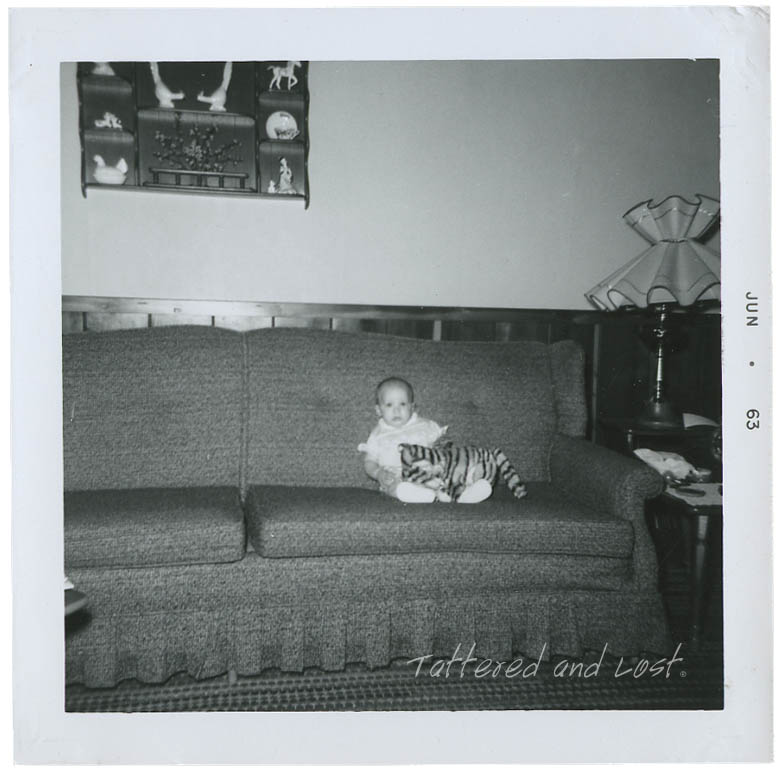
Now today we'll be discussing portraiture. How close is too close? And what about ambience? Important or not? Should the setting in which you pose your subject reflect something about a specific time and place? I believe so. Everyone has two eyes, a nose, and mouth...but what is there that sets them apart from everyone else? Their surroundings.

And if we break it down even more what about portraits of children with animals? By getting too close do you risk frightening the animal thus causing possible injury to the child? Or should children even be photographed with their favorite tiger? Perhaps a member of animal control should be on the premises. Just a suggestion.

Take a look at today's example and talk amongst yourselves because really I get paid whether you listen or not.


Oh imagine someone someday searching for "portraits of children with animals" and coming upon this. Oh, I do so apologize for misleading you so, but really...never trust anything you read on the net.

6/4/11

PHOTOGRAPHY 101: Class 2


Hello Class.

I know it's been a long time between classes, but I've been wandering the world taking photos for my new book People I Met and Wish I Hadn't which will be out this fall or next spring or...I'll keep you posted.

The last time we met I explained a variety of genres in photography. My example was of Fine Art Photography. I add the capitalization just so you know how very important this field is to the very heart and soul of this country. We here in the United States are still often looked down upon by our European brethren and sisterthin. I'm about to prove them wrong.

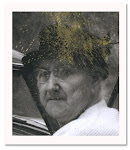
I don't think words are necessary. Just take it ALL in. There will be a short quiz discussing focal point: necessary or not? I think not. I believe this image proves my point.

12/30/10

PHOTOGRAPHY 101


And now for a lesson in portraiture, no wait...ummmm...still life...ummmm... photojournalism....oh man...okay, FINE ART PHOTOGRAPHY! Yeah, that's it. Here is a lesson in fine art photography.

Wikipedia says:
"A still life is a work of art depicting mostly inanimate subject matter, typically commonplace objects which may be either natural (food, flowers, plants, rocks, or shells) or man-made (drinking glasses, books, vases, jewelry, coins, pipes, and so on).

A portrait is a painting, photograph, sculpture, or other artistic representation of a person, in which the face and its expression is predominant.

Photojournalism is a particular form of journalism that creates images in order to tell a news story. Photojournalism is distinguished from other close branches of photography (such as documentary photography, social documentary photography, street photography or celebrity photography) by the qualities of:
  • Timeliness — the images have meaning in the context of a recently published record of events.
  • Objectivity — the situation implied by the images is a fair and accurate representation of the events they depict in both content and tone.
  • Narrative — the images combine with other news elements to make facts relatable to the viewer or reader on a cultural level.
Fine art photography refers to photographs that are created in accordance with the creative vision of the photographer as artist.
Like I said, this here is an example of fine art photography. The photographer had a creative vision. An avant-garde vision for sure. But if they call it art who are we to question their vision? Who are we to ask, "Ummmmmm excuse me, but exactly what was your focal point here?"

Oh, I know, if the mucky mucks in the art world put their stamp of approval on this thing, had it framed in a huge frame, hung in a prestigious gallery, we could get all sorts of fools nodding their heads, jabbering to each other about the masterpiece, and isn't it a shame that the artist has passed on leaving such a small amount of work.

* This is bad photography 101. Do not do what this person did. This photo has bad fung shoe-ie. This shot gives me a headache!